

In the realm of modern electronics, few components are as versatile and essential as the Voltage Controlled Oscillator (VCO). This device plays a pivotal role in various applications, from telecommunications to signal processing, and even in the realm of music synthesis. In this blog post, we will delve into the workings of VCOs, their applications, and why they are considered the heart of many electronic systems.
### What is a Voltage Controlled Oscillator?
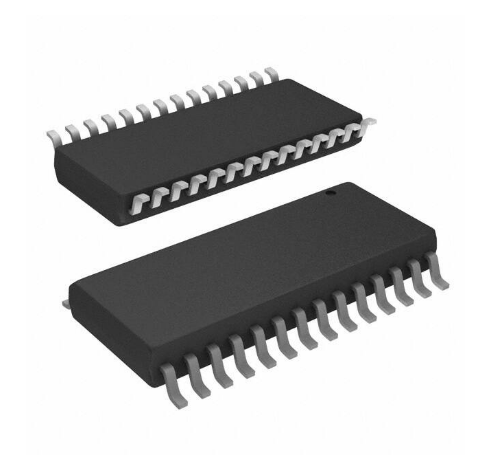
A Voltage Controlled Oscillator is an electronic circuit that generates a periodic waveform, typically a sine, square, or triangular wave, whose frequency can be adjusted by varying the input voltage. This unique feature allows VCOs to be used in a wide range of applications where frequency modulation is required.
The basic principle behind a VCO is relatively straightforward. It consists of an oscillator circuit that produces a continuous waveform. The frequency of this waveform is determined by the voltage applied to the control input. As the control voltage changes, the frequency of the output signal also changes, allowing for precise control over the oscillation frequency.
### How Does a VCO Work?
At its core, a VCO operates on the principle of feedback. The oscillator circuit typically includes an amplifier and a feedback network that determines the frequency of oscillation. The control voltage is fed into the circuit, influencing the feedback loop and, consequently, the frequency of the output signal.
For example, in a simple VCO circuit using a transistor, the control voltage can change the biasing of the transistor, which in turn alters the oscillation frequency. More sophisticated VCO designs may use integrated circuits (ICs) that incorporate various components to achieve higher stability and performance.
### Applications of Voltage Controlled Oscillators
VCOs are integral to numerous applications across various fields. Here are some of the most common uses:
1. **Telecommunications**: In communication systems, VCOs are used in phase-locked loops (PLLs) to stabilize and generate carrier frequencies. They help in modulating signals for transmission and demodulating received signals.
2. **Signal Processing**: VCOs are essential in signal processing applications, where they can be used to generate frequency-modulated signals. This is particularly useful in applications like frequency-shift keying (FSK) and phase-shift keying (PSK).
3. **Synthesizers**: In the world of music, VCOs are a fundamental component of analog synthesizers. They generate the raw waveforms that are then shaped and manipulated to create a wide range of musical sounds. Musicians and sound designers rely on VCOs for their ability to produce rich, dynamic tones.
4. **Frequency Generators**: VCOs are often used in frequency generators for testing and calibration purposes. They can produce a wide range of frequencies, making them invaluable tools in laboratories and manufacturing environments.
5. **Radar and Navigation Systems**: In radar systems, VCOs are used to generate the high-frequency signals necessary for detecting objects. They are also employed in navigation systems to provide accurate timing and frequency references.
### Advantages of Using VCOs
The popularity of VCOs in electronic design can be attributed to several advantages:
- **Flexibility**: VCOs can easily adjust their output frequency based on the control voltage, making them highly adaptable to various applications.
- **Simplicity**: The basic design of a VCO is relatively simple, allowing for easy integration into larger systems.
- **Cost-Effectiveness**: With advancements in technology, VCOs have become more affordable, making them accessible for both hobbyists and professionals.
- **Wide Frequency Range**: VCOs can operate over a broad range of frequencies, from a few hertz to several gigahertz, depending on the design and application.
### Challenges and Considerations
While VCOs offer numerous benefits, they are not without challenges. One of the primary concerns is frequency stability. External factors such as temperature variations and power supply fluctuations can affect the performance of a VCO. To mitigate these issues, designers often implement compensation techniques and use high-quality components.
Another consideration is phase noise, which can impact the purity of the output signal. In applications where signal integrity is critical, such as in telecommunications, minimizing phase noise is essential.
### Conclusion
Voltage Controlled Oscillators are a cornerstone of modern electronics, enabling a wide array of applications that require precise frequency control. From telecommunications to music synthesis, VCOs play a vital role in shaping the signals that drive our technology. As we continue to innovate and push the boundaries of electronic design, the importance of VCOs will only grow, solidifying their status as the heart of many electronic systems. Whether you are a seasoned engineer or a curious hobbyist, understanding VCOs is essential for navigating the exciting world of electronics.


